Custom Cabinets vs Stock Cabinets: Which Is Worth the Investment?
Cabinets shape how you store food, unload the dishwasher and reach everyday items. The right choice is therefore more specific than expensive versus affordable. Compare how each cabinet package fits your room, what it is made from and what is included in the installation before deciding whether custom work is worthwhile.
Quick Answer: Custom Cabinets vs Stock Cabinets
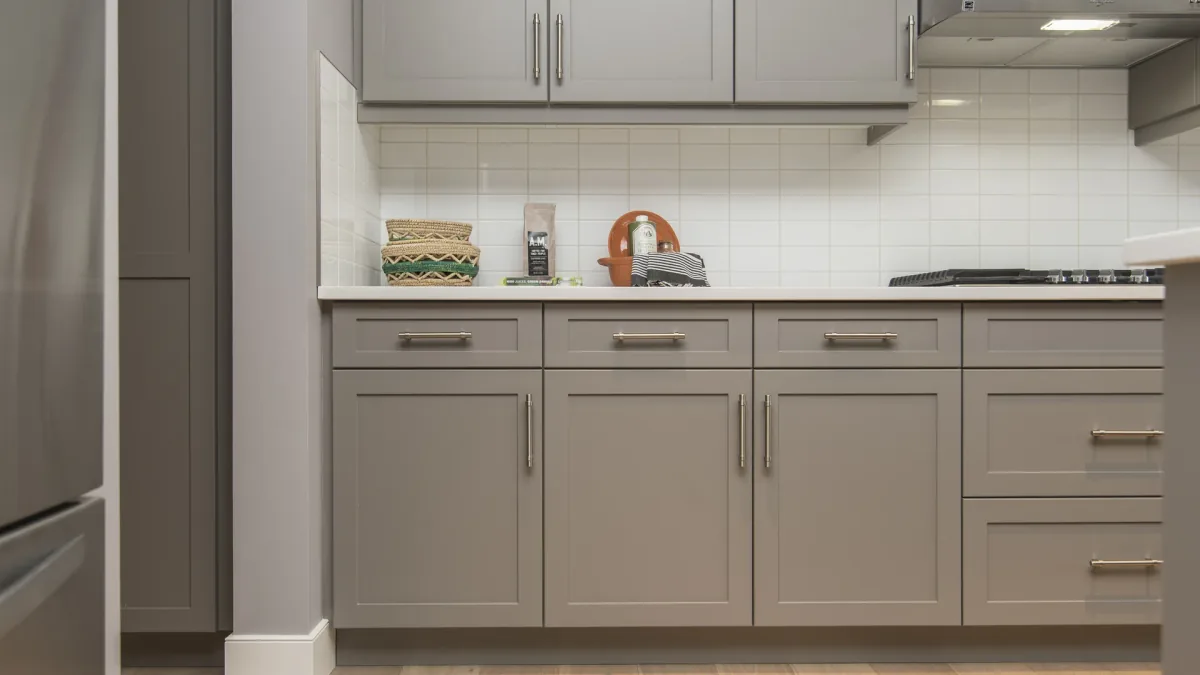
Stock cabinets use an established range of sizes and options. Custom cabinets are designed around a particular room and specification. Semi-custom lines sit between them, offering a catalog with selected modifications. Availability, price and customization vary by manufacturer, so ask for the actual package rather than treating the category as a quality rating.
| Feature | Stock | Custom |
|---|---|---|
| Price | Often a lower entry point | Reflects design, fabrication and selected details |
| Fit | Standard sizes with fillers where needed | Dimensions tailored to the plan |
| Lead time | Can be shorter when products are available | Depends on design approval and shop schedule |
| Materials | Defined by the chosen product line | Defined by the agreed specification |
| Storage | Catalog accessories and configurations | More freedom for unusual requirements |
| Durability | Depends on construction and installation | Depends on construction and installation |
| Style | A predetermined collection | Broader detailing possibilities |
What Are Stock Cabinets?
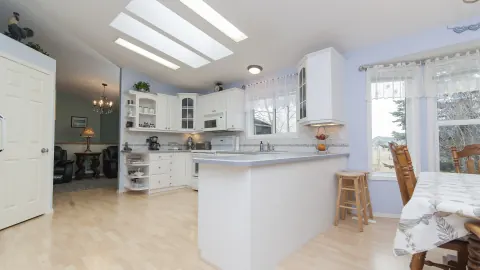
Stock cabinetry can work well in a straightforward kitchen where the available sizes produce a sensible layout. It can simplify selection, particularly when you prefer a familiar door style and do not need unusual heights, depths or integrated features.
Look at the complete plan, including the pieces between the boxes. Fillers can provide necessary clearance beside walls and corners; they are not automatically wasted space. Too many poorly planned gaps, however, can reduce useful storage or leave the room feeling unresolved.
Check corner access, drawer openings and the refrigerator surround. A cabinet may fit on paper while its door collides with an appliance handle. Ask whether the quoted package includes toe kicks, finished panels, trim and hardware, since a box-only price can understate the finished cost.
Do not assume every item is immediately available. Confirm the stock status of the entire order, including matching accessories and replacement parts. One missing component can affect installation even when most cabinets are ready.
What Are Custom Cabinets?
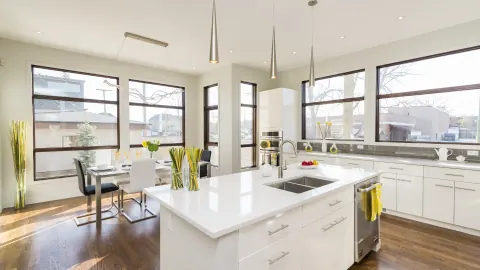
Custom cabinetry starts with the room and the way you want to use it. It can accommodate an unusual alcove, a carefully sized pantry, a furniture-like island or storage designed around particular equipment. The value comes from solving a specific problem that a standard arrangement handles poorly.
Useful customization
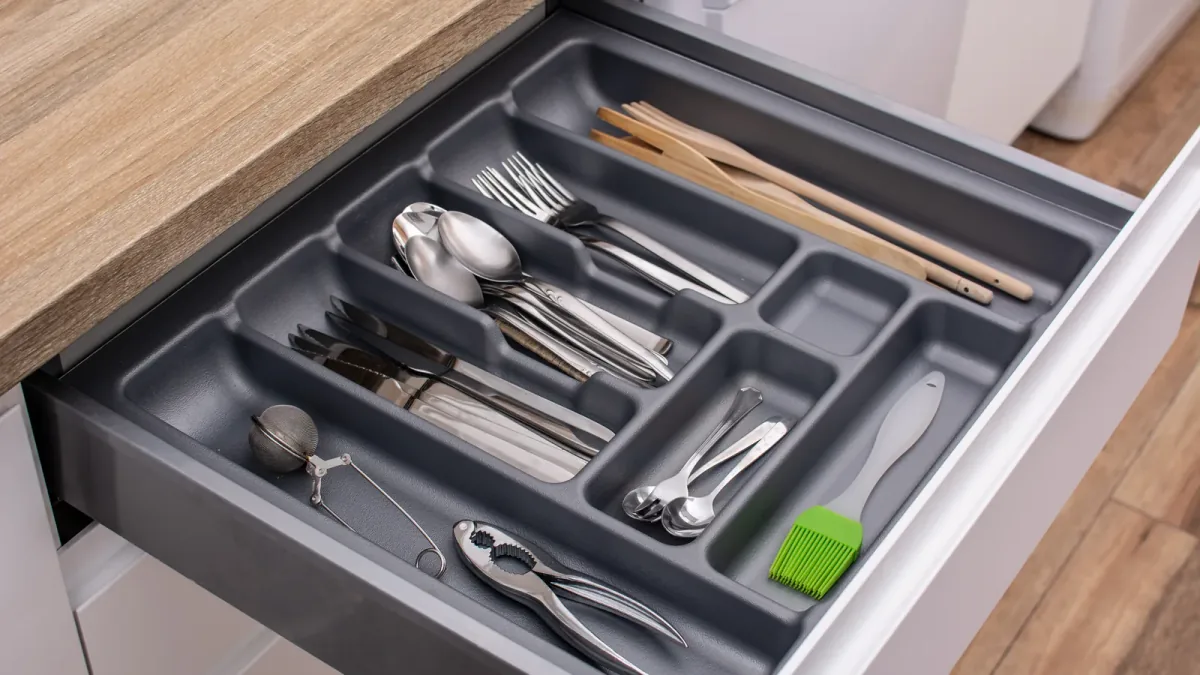
Examples include drawers suited to cookware, a tall cabinet arranged for everyday reach, an appliance garage with workable door clearance or a narrow space converted into usable storage. Before ordering, physically measure the objects you want to store. An elegant cabinet is disappointing when the mixer or baking tray does not fit.
A semi-custom line may solve the same problem with a smaller set of modifications. Ask which dimensions can change, which finishes are offered and what remains fixed. If a catalog modification achieves the required fit, fully custom fabrication may not add practical value.
Custom also requires decisions: confirm drawings, door proportions, interiors, materials, finish samples and hardware. Vague expectations are difficult to price and can lead to disagreements after fabrication begins.
Cost, Timeline and Long-Term Value
Compare complete installed proposals. Material, door construction, finish, drawer hardware and decorative details all influence the price. So do removal, wall preparation, installation, trim and coordination with appliances and countertops. Ask what is included before comparing totals.
The KCMA quality certification program evaluates cabinet structure, drawers, doors and finish. When comparing products, ask whether the specific line is certified and request its construction details. A custom label alone is not evidence of superior durability, and stock cabinetry should not be dismissed without examining its specification.
Installation matters because cabinets must suit the actual walls and floors. Discuss how uneven conditions, anchoring, alignment and appliance clearances will be handled. Decorative trim cannot compensate for a plan that prevents doors from opening properly.
In a small kitchen, precise storage improvements may matter more than elaborate door details. In a luxury kitchen, tailored proportions and integrated finishes may be a priority. For a long-term home, favor features you will use repeatedly and understand the maintenance requirements of the chosen finish.
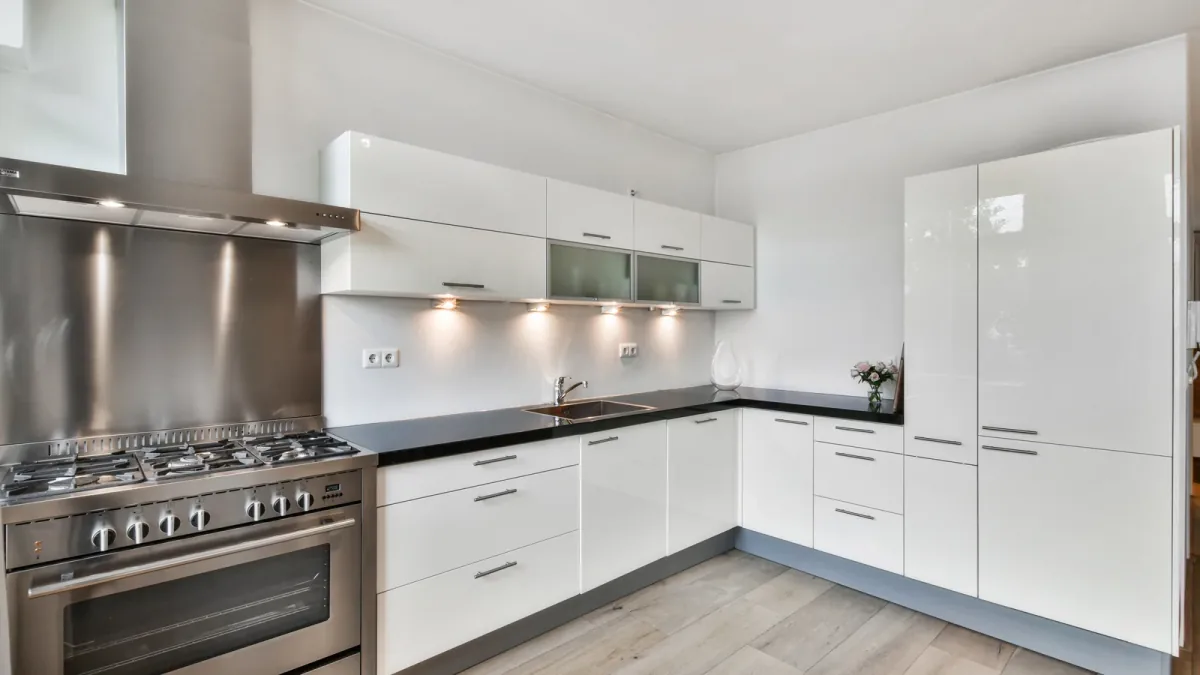
How to Choose the Right Cabinet Option
- Inventory your storage. List cookware, pantry goods, recycling, small appliances and items currently stored outside the kitchen.
- Identify fit problems. Note awkward corners, low ceilings, narrow passages and appliances that need special clearances.
- Price comparable specifications. Compare similar layouts and included accessories, not unrelated showroom displays.
- Request a realistic delivery plan. Include design approval, manufacturing, shipment and any replacement-item process.
- Review the full-room design. Consider counters, lighting, flooring and daily movement before approving the cabinet order.
Ask the designer to explain what each upgrade accomplishes. If a custom change costs more but adds no useful storage, improves no clearance and provides no design benefit you value, keep the simpler option.
Discuss your cabinet priorities with Custom Kitchen & Bathroom Remodeling through our kitchen remodeling services. Request a consultation with room photos, appliance information and a list of what your current storage cannot do.
Frequently asked questions
Are custom cabinets worth it?
They can be when tailored dimensions or storage solve a problem that standard options cannot. Compare that benefit with the added cost and planning time instead of assuming that custom is always the best choice.
Do stock cabinets lower home value?
There is no universal rule that stock cabinets reduce a home’s value. Buyers see the condition, appearance and function of the finished kitchen. Choose a sound specification and a layout that fits the home.
What is the difference between custom and semi-custom cabinets?
Semi-custom cabinetry starts with a manufacturer’s established line and allows certain changes. Custom cabinetry is developed to an agreed project specification. The available modifications vary, so request a written description.
Which cabinets are best for small kitchens?
The best cabinets make useful storage accessible without restricting movement. Stock, semi-custom or custom cabinetry can work; compare actual drawer interiors, corner access and appliance clearances in the proposed plan.